
AN INSIDER TAKES THE RISK
An insider, typically an employee or contractor, discloses evidence of wrongdoing encountered in the course of their work. Because internal channels are run by the same institution under suspicion, going through them only tips off the people responsible instead of bringing the wrongdoing to light. Routing the evidence instead to journalists, regulators or courts brings in actors capable of compelling a public response the institution cannot suppress on its own. It is this shift, from private complaint to public record, that turns disclosure into a political act.
NSA FILES
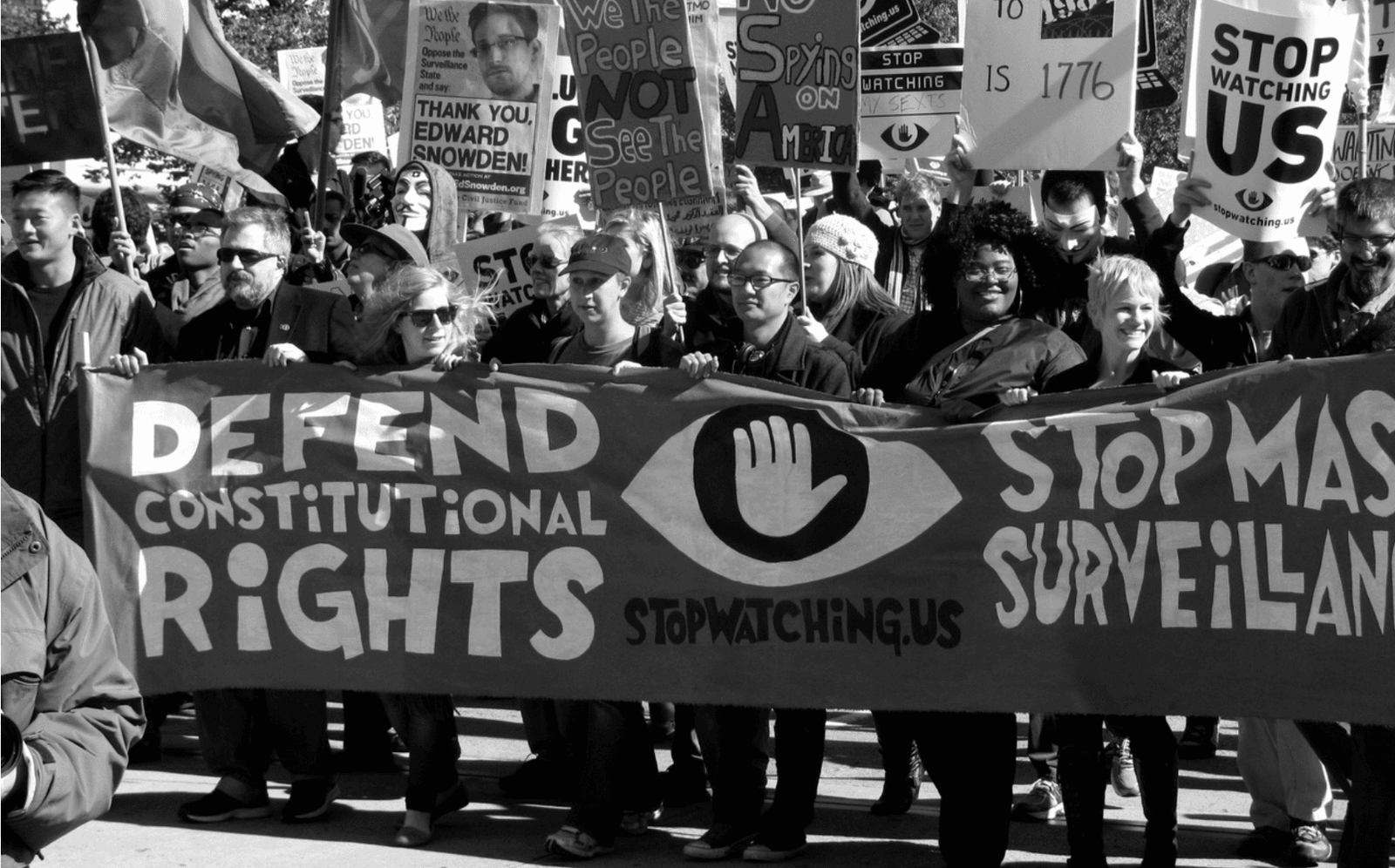
Edward Snowden was 29. As a systems administrator for an NSA contractor in Hawaii, he copied classified documents out of the agency's systems: PRISM, giving the NSA direct access to data held by Google, Facebook, Apple and Microsoft, and a secret order compelling Verizon to hand over the phone records of millions of Americans. On 20 May 2013 he flew to Hong Kong and gave the files to three journalists. The story broke in the press on 5 June 2013. The state did not contest the substance: it charged Snowden with espionage. Two years later a court ruled the surveillance unlawful, Congress banned it, and a second court confirmed this in 2020.
LUMUMBA PAPERS
Jean-Jacques Lumumba ran the credit department at BGFIBank DRC, the Congolese subsidiary part-owned by President Kabila's sister. Tens of millions of dollars in public money passed through the accounts he supervised, including funds belonging to the electoral commission. His internal warnings went nowhere and the threats began. In June 2016 he left the country and handed photocopies to the Belgian daily Le Soir, which published them in October. Congolese civic movements called the documents the “Lumumba papers”. Five years later, the Congo Hold-up investigation confirmed what he had described.
LUXLEAKS
Antoine Deltour, a young auditor at PwC Luxembourg, copied hundreds of secret tax rulings granted to multinationals and passed them to a journalist. A colleague, Raphaël Halet, did the same. The documents were published in 2014. Both men were prosecuted in Luxembourg: Deltour was recognised as a whistleblower by the Court of Cassation in 2018, Halet only in 2023, before the European Court of Human Rights. In the meantime, the European Union adopted its whistleblower protection directive in 2019.
Critical assessment
Strengths
- 01 Hard-to-dispute evidence: internal documents and information can support investigations or legal proceedings.
- 02 Strong media impact: disclosures can turn hidden wrongdoing into a major public issue.
- 03 Institutional consequences: whistleblowing can lead to sanctions, court decisions or changes in practices.
Limits
- 01 Serious retaliation risks: dismissal, harassment, financial losses, reputational damage or health consequences.
- 02 Often insufficient legal protection: even where protections exist, they rarely prevent all forms of retaliation.
- 03 No guarantee of results: authorities, media or institutions may delay action or fail to act altogether.
Support Fondemos
Every donation helps us continue supporting democracy's defenders.