
A case study by Fondemos 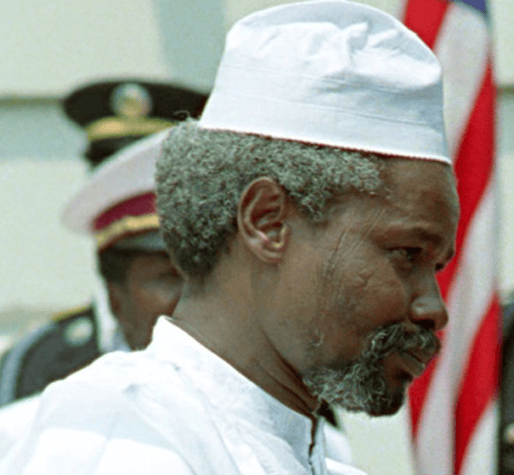
LESSONS FROM A STRATEGIC LITIGATION
A new legal framework
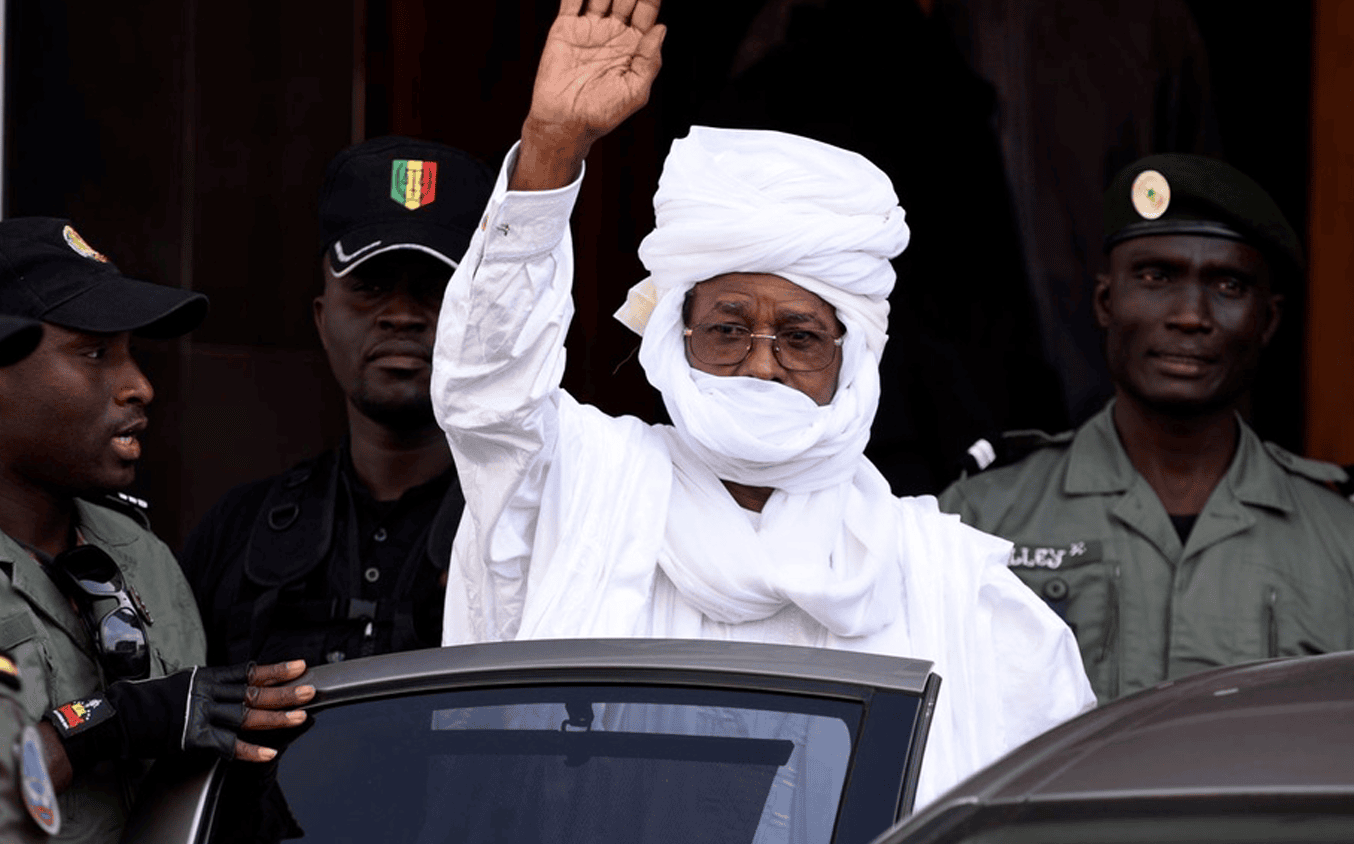
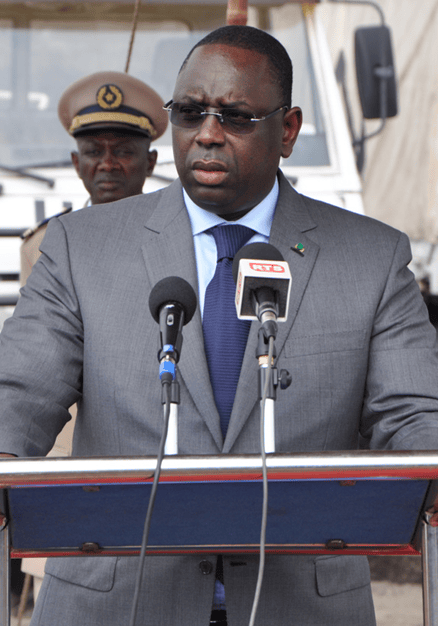
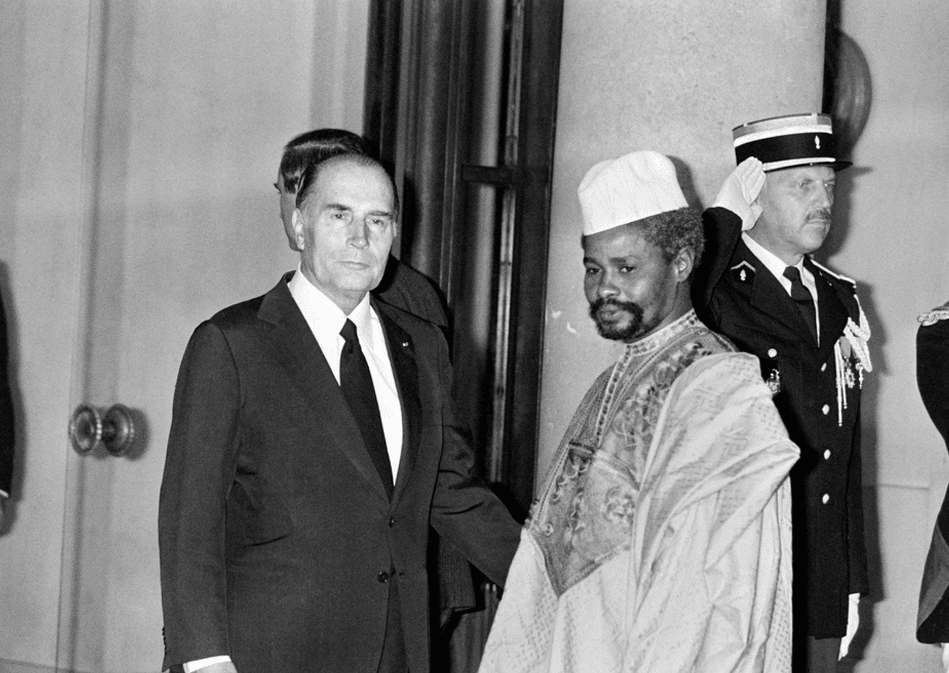
The International Criminal Court (ICC) could not try Habré, because its mandate is limited to crimes committed after it came into force in 2002. However, the crimes of the Habré regime were perpetrated between 1982 and 1990, a period during which the ICC had no jurisdiction. This situation highlighted the need for African mechanisms of universal justice. The trial of Hissène Habré, held in Dakar under the aegis of the Extraordinary African Chambers , was thus a milestone for international justice in Africa. After being overthrown in 1990, Hissène Habré lived in exile in Senegal, where he lived freely for decades: the Senegalese authorities had initially not prosecuted him, despite a complaint filed in January 2000 by Chadian victims against him for torture. The Senegalese President, Abdoulaye Wade, maintained ambiguous ties with Habré, notably under pressure from the Mourides, an influential brotherhood that had protected him, and ignored these requests. In 2006, the African Union (AU) officially requested Senegal to prosecute Hissène Habré “ on behalf of Africa ,” following years of pressure from the international community and human rights organizations. Although Belgium had issued an arrest warrant against Habré for crimes against humanity, Senegal refused to extradite him, citing for years its commitment to organizing a trial on African soil, while the revolt of several African States against the International Criminal Court was growing . 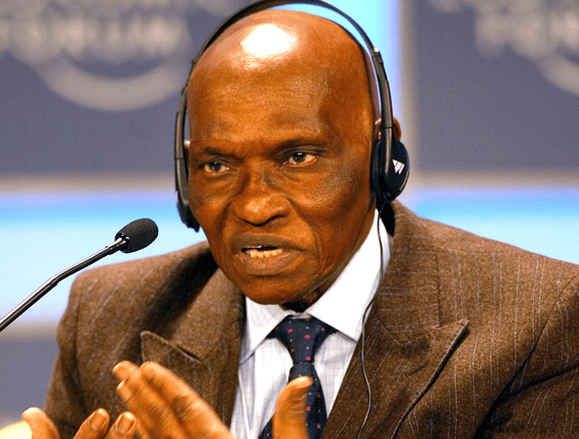
Victims at the center
Lawyer Reed Brody recounts and analyzes this legal battle in his book The Trial of Hissène Habré . He particularly emphasizes the symbolic power of a procedure that shed light on the victims, giving special importance to numerous testimonies and granting them international media coverage. The judgment put an end to decades of impunity, delivering justice to the thousands of people tortured, executed, or disappeared under Habré's regime. The strategy focused on victim testimony bore fruit and brought forward figures who left a lasting impression on public opinion. Those directly involved and committed took personal steps that were more likely to convince politicians to pursue the legal battle despite obstacles. The perseverance of Chadian victims' associations, who carried out an unrelenting fight despite political and judicial obstacles, proved decisive. Among these associations, the Association of Victims of the Crimes of the Hissène Habré Regime (AVCRHH) played a central role. Led by Clément Abaïfouta, a former political prisoner of Habré, the association documented the abuses and brought the survivors’ voices to the international stage . Figures like Jacqueline Moudeina, lawyer for the victims, were also crucial. This human rights activist survived an assassination attempt in 2001 and continued her commitment lasting until Habré’s conviction. Her work has been recognized with many international awards.
Formation of a transnational coalition
The final characteristic of this historic trial lies in the transnational and multidimensional coalition formed to build the case and make the trial possible: the involvement of international organizations like Human Rights Watch was essential to document human rights violations, raise the necessary funds for a campaign and a long trial, train victims, and publicize the legal battle and testimonies. When the fight lost momentum, it was repeatedly necessary to conduct diplomatic campaigns in parallel with essential legal actions to re-engage the international community. Thus, the United Nations Committee against Torture, the African Union, the European Union, the European Parliament, and the United Nations High Commissioner for Human Rights all acted as spokespersons for this exceptional trial. 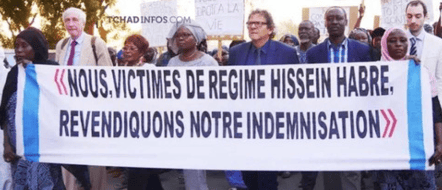
STRUCTURAL LIMITS
The current regime
However, the Habré trial also highlighted the difficulties of international justice work: while the investigation focused on victims, the trial also created strong tensions with and within the current regime. The attitude of the Chadian authorities fluctuated between inertia and active obstruction. Although the Chadian government officially supported the trial, notably by partially funding the Extraordinary African Chambers, it never launched internal prosecutions against former officials of Habré’s regime who were still in power. Trying a predecessor while the key figures of his government remain in power is indeed difficult. This partly explains the length of the trial and Chad’s difficulty in drawing conclusions: although Habré was judged, many of his regime’s leaders remain unpunished and still hold positions of power. Former President Idriss Déby Itno, for example, served under Habré as Commander-in-Chief of the armed forces during the period referred to as the “Black September,” marked by deadly repression aimed at integrating the South into the authority of the central government. Article 10 of the Chambers’ Statute, however, specifies that “the official capacity of an accused, whether as Head of State or Government, or a senior official, shall in no case exempt him from criminal responsibility […].” 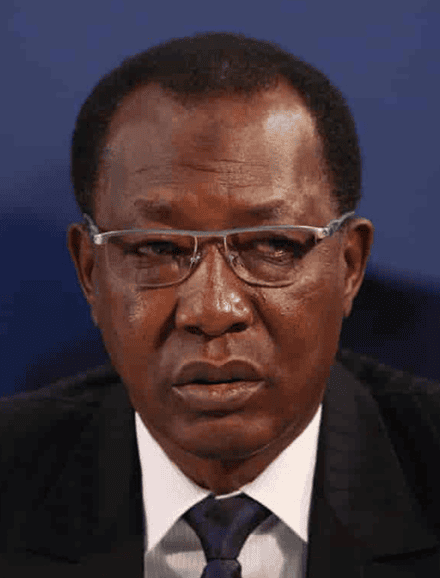
Conviction and reparations
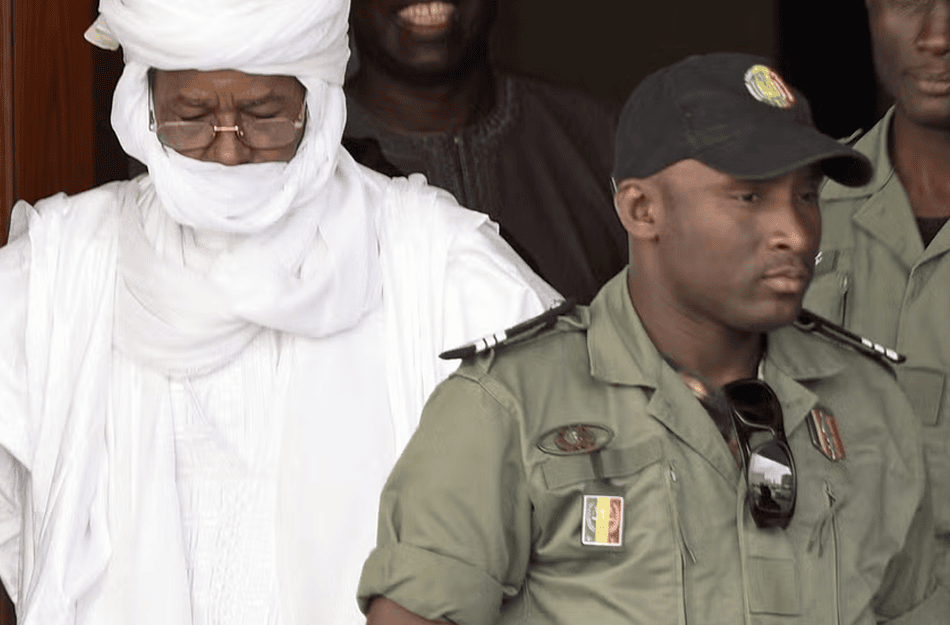
Although Habré was convicted, the issue of broader accountability remains. None of the high-ranking officials from his regime have been prosecuted, despite overwhelming evidence against several of them, notably Idriss Déby, who was army chief under Habré. While the conviction was handed down, the implementation of reparations to victims remains incomplete due to a lack of sufficient funds (mainly due to lack of political will) and the complexity of the mechanisms in place: judicial decisions not being followed by sufficiently binding enforcement, only one fifth of the required reparations have been paid. The African Union, tasked by the Dakar court with creating a trust fund to raise the necessary sums, has not done so to date. In any case, Chad could indefinitely refuse or delay the enforcement of the rulings by invoking financial or political difficulties or relying on complex internal procedures to stall their implementation.
CONCLUSION
The Habré case opened Pandora's box of decades of impunity in Chad: an impunity that still persists in the country. The treatment of Reed Brody in Chad in October 2024 is a symptom of the discomfort of current Chadian authorities with this issue: the Chadian army escorted the lawyer back to the airport upon arrival, preventing him from undertaking the planned trip to promote his latest book recounting the Habré trial. Several serious shortcomings have also limited the impact of the trial: the responsibility for mass killings ended with Habré, with no prosecution of other perpetrators, and the ordered reparations were neither raised nor distributed. This example of international justice can therefore be seen either as a partial victory or a partial failure, but it nonetheless illustrates the concrete results that can be achieved through the use of law, if and only if civil society’s commitment and persistence go hand in hand with determined international support. 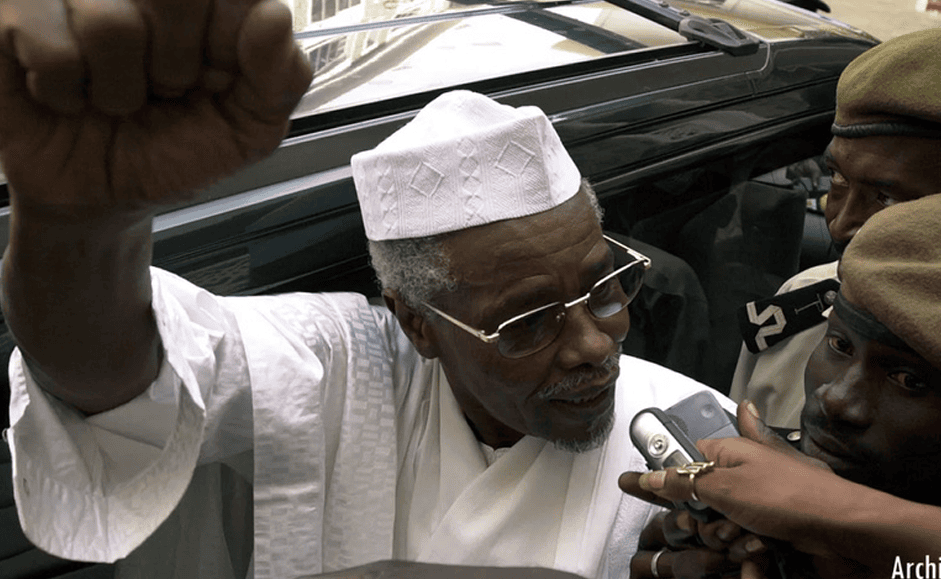
SOURCES
- Human Rights Watch, The United States and France supported the former Chadian dictator Hissène Habré, published June 28, 2016.
- Human Rights Watch, Questions and Answers on the Hissène Habré Case before the Extraordinary African Chambers in Senegal, published May 3, 2016.
- Le Monde, Habré Trial: The Three Lives of the Archives of Terror, Jean-Pierre Bat, published July 21, 2025
- RFI. Chad: first compensation payments received by the victims of Hissène Habré. Published September 18, 2024, updated September 22, 2024.
- Brody, Reed. Why was I expelled from Chad? Op-ed published in Le Monde, October 15, 2024.
- El Idrissi, Abdelhak. Between Africa and the International Criminal Court, things are getting complicated. France Culture, February 22, 2017.
- African Union. Report of the Committee of Eminent African Jurists on the Hissène Habré Case. Addis Ababa, May 2006.
- Brody, Reed. The Trial of Hissène Habré: Prosecuting a Dictator in a World of Impunity. Khartala Editions, March 2024.
Support Fondemos
Every donation helps us continue producing independent analysis.