
Key points
- 01 In 1910, Mexico revolted against Porfirio Díaz's three-decade authoritarian regime, sparking mass armed uprising across the nation.
- 02 Thousands joined revolutionary forces, including thousands of women called "soldaderas".
- 03 Petra Herrera rose to lead hundreds of soldiers, specialising in sabotage and military strategy.
Mexico's fight for change
In 1910, Mexico revolted against Porfirio Díaz's three-decade authoritarian regime. Vast social inequality and wealth concentration sparked mass armed uprising across the nation. Thousands joined revolutionary forces, including thousands of women called "soldaderas". Their participation fundamentally reshaped Mexico's military landscape.
From civilian to soldier
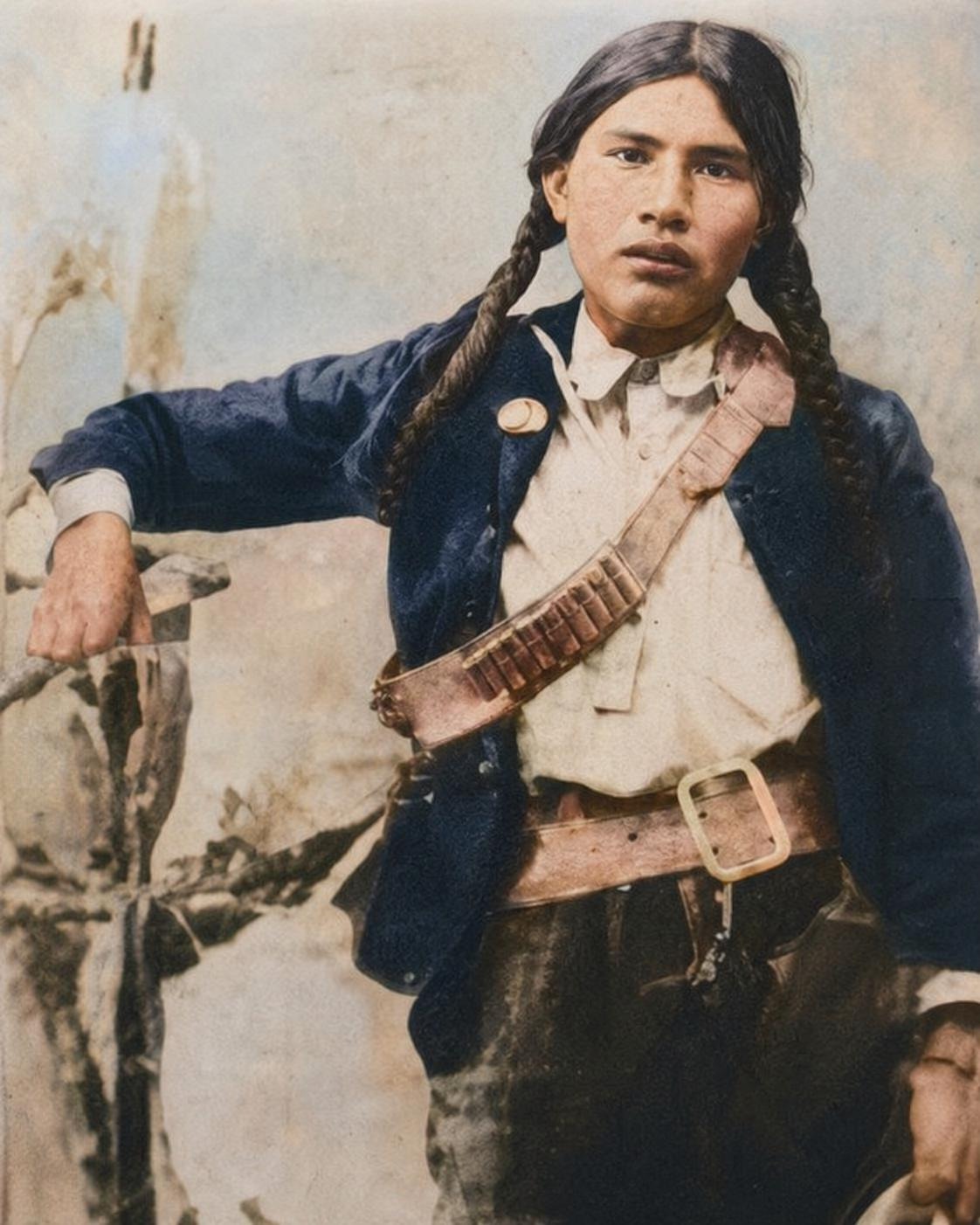
Born in 1887 in northern Mexico, Petra Herrera joined revolutionary troops in her twenties. Cutting her hair and binding her chest, she enlisted as "Pedro" under Pancho Villa's command. Her strategic brilliance soon distinguished her among thousands of combatants.
Military command and sabotage expertise
Petra rapidly rose to leadership, commanding up to 300 soldiers. She specialised in daring sabotage operations, particularly bridge destruction. Her tactical precision earned her recognition as a formidable military strategist within Villa's revolutionary forces.
Formation of an all-female unit
After revealing her identity, Petra demanded a general's rank from Villa. Refused, she departed to form a 400-strong all-female combat unit. During the pivotal 1914 Battle of Torreón, witness Cosme Mendoza Chavira attested: "She took Torreón and extinguished its lights."
Legacy denied, impact eternal
Revolutionary songs celebrated Petra's exploits, yet Villa denied her recognition. In 1917, she allied with Carranza and was promoted colonel. Her later fate remains contested: some claim espionage work; others speak of leading 25,000 soldaderas in secret camps.
« I am a woman and I will continue to serve as a soldier. »
Support Fondemos
Every donation helps us continue supporting democracy's defenders.