
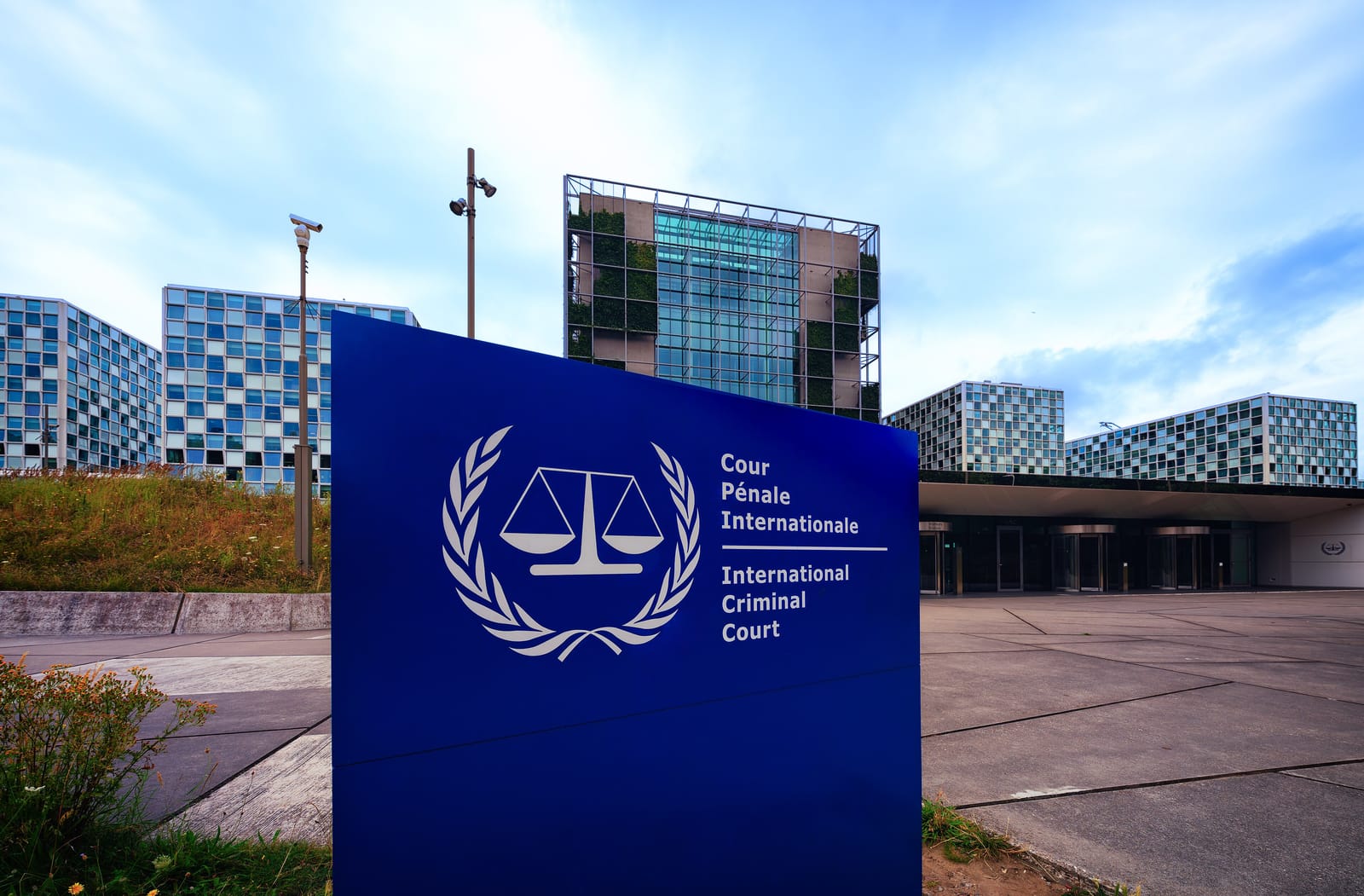
Chad is withdrawing from the International Criminal Court at the very moment the Court is turning its attention to the country’s leaders.
Deputy Prosecutor Nazhat Shameem Khan travelled to N’Djamena as part of the investigation into crimes committed in Darfur. President Mahamat Idriss Déby, the head of Chad’s intelligence services and the Chief of the General Staff were named in a submission filed in late 2025 by the association Priority Peace Sudan, alleging complicity in crimes committed by the Rapid Support Forces (RSF), which stand accused of war crimes and crimes against humanity. Investigators suspect that Chad served as a logistical corridor for arms shipments from the United Arab Emirates to the RSF.
This withdrawal will make nothing disappear. It will not take effect until July 2027, one year after notification, and the Rome Statute provides that the Court retains jurisdiction over any proceedings initiated before that date. Until then, Chad remains under an obligation to cooperate with the Court.
We can expect the familiar accusation of “neo-colonial” justice, particularly because the submission was filed by an association registered in France. Yet filing a submission confers no authority whatsoever: it is the Prosecutor who decides whether to investigate, and the Court’s mandate over Darfur was entrusted to it by the United Nations Security Council in 2005. More importantly, if European democracies provide a safe haven for Chadian and Sudanese political refugees and the organisations representing them, it is precisely because the necessary civic freedoms do not exist in their countries of origin.
As for the official justification, namely the Court’s alleged ineffectiveness, it defeats itself. States do not withdraw from institutions they genuinely regard as powerless; they simply ignore them. If anything, this withdrawal amounts to an admission of guilt.
The ICC Statute also offers Chad an honourable way out: if its own judges conduct a genuine investigation into these arms shipments, the Court will no longer have any reason to intervene.
That, however, would require an independent judiciary. Déby, who is the subject of an ICC submission alleging complicity in war crimes and, separately, of an investigation by France’s National Financial Prosecutor’s Office over nearly €2 million allegedly spent on suits and luxury hotels in Paris, prefers his own country’s judiciary, one that answers to him.
The way out is there. He is choosing to close it off.