
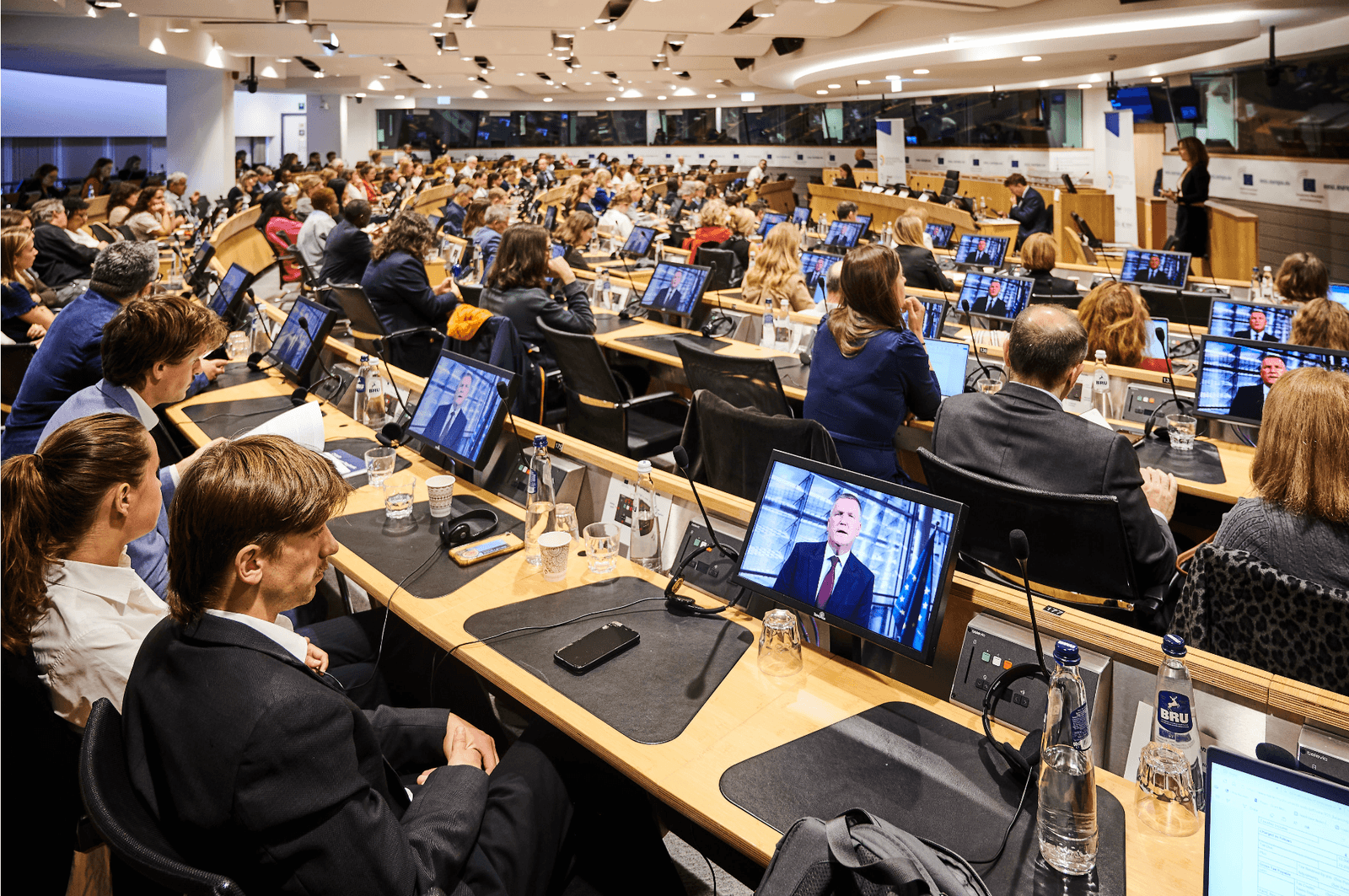
The most useful criticism heard in Brussels this year was aimed at NGOs and foundations, ourselves included, and it concerned training. Fondemos was there on 17 September for International Democracy Day, organised by the European Partnership for Democracy. The point was made bluntly: the civil society actors we support are often more capable than the organisations that train them. The point is fair, and it does not mean we should stop training. It means rethinking which training is worth providing.
A movement that has survived years of repression does not need a workshop on the importance of democracy. It already knows.
What it needs is specific and technical: securing its communications, documenting facts so that they stand up in court, managing an organisation able to receive European funding without putting anyone at risk. This must be an additional resource, not a lesson. And the test, of course, is also whether the partner asked for it.
If training is part of what we bring on the ground, the harder question is what we bring to the Brussels institutions. For democracy does not sustain itself, while its opponents are refining their model of governance and have learnt to promote it. Authoritarian power promises certainty, whereas democracy offers a debate that never closes, and a debate needs people willing to carry it out loud.
That is the second thing we bring, and it is not expertise. Ministers and diplomats need the perspective and work of organisations dedicated to strengthening civic space to tell them what they cannot see for themselves: what is actually happening on the ground. Raising these issues out loud is what ensures that independent media, civil society and free elections are treated not as a side issue but as part of European security.
The two sides of this support work are different. On the ground, provide what we are asked for. In Europe, make civil society’s case out loud and apologise less, all the more so now that money is scarce and this work is harder to replace.