
A case study by Fondemos “ You do not become a 'dissident' just because you decide one day to take up this most unusual career. You are thrown into it by your personal sense of responsibility, combined with a complex set of external circumstances. You are cast out of the existing structures and placed in a position of conflict with them. It begins as an attempt to do your work well, and ends with being branded an enemy of society.” Vaclav Havel, The Power of the Powerless 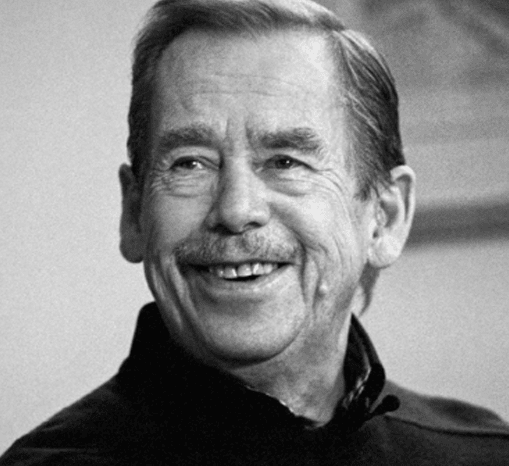
I. INTRODUCTION
The second half of the 20th century in Central and Eastern Europe was the scene of major political upheavals. Shortly after the end of World War II, an "iron curtain " fell over Europe, dividing countries aligned with the Atlantic alliance from those under Soviet influence. Western European countries developed, and those in the South managed to find a path to democracy. Meanwhile, Eastern Europe remained frozen in the Soviet shadow. The USSR sought to suppress every democratic impulse in Eastern countries. Among these, the Prague Spring and the Velvet Revolution, both complementary and distinct, offer us a number of lessons. While one resulted from an internal upheaval that initially did not particularly worry the USSR, the other stemmed from a multitude of internal and external factors. In 1968, ten years after the establishment of a socialist republic, a new man took the position of First Secretary of the Czechoslovak Communist Party with a new policy direction: "socialism with a human face." After eight months in power and many liberal reforms, Alexander Dubček saw the Red Army tanks enter Prague and end the Prague Spring. It would take more than 20 years to see the Soviet grip on Czechoslovakia dismantled again. In November 1989, following particularly significant social movements, the single party relinquished power. This opened the path to democracy for the two key figures of this so-called "Velvet Revolution ": Vaclav Havel and Alexander Dubček. These events, initiated by ordinary citizens with the support of a progressive intelligentsia and conducted with peaceful determination, proved that it is possible to overthrow authoritarian regimes without bloodshed.
II. HISTORICAL AND POLITICAL CONTEXT OF THE PRAGUE SPRING
Czechoslovakia under Soviet influence
The bloody beginnings of communism
A single party, the Czechoslovak Communist Party (KSČ), was established following the Prague Coup and the overthrow of the fragile Third Republic in 1948. Soviet influence in Czechoslovakia quickly manifested through Moscow's refusal to allow Czechoslovakia to participate in the Marshall Plan. 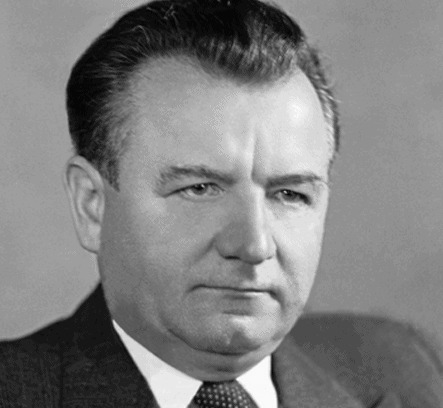
Towards a discreet relaxation
After Gottwald's death in 1953, Antonín Novotný took the lead of the KSČ where he remained until 1968. In the context of Stalin's death, he could undertake a moderate destalinization process by rehabilitating victims of the 1952 Prague Trial. In the same vein, he initiated economic reforms to moderately liberalize the struggling Czechoslovak economy (stagnation of industrial production, lag in the agricultural sector). However, he did not really intervene in the foundations of the political regime (maintaining the one-party system and repression of opponents). Despite his efforts to distinguish himself from the Gottwald era, Novotný remained perceived as a figure of the old Stalinist guard. The actions of the KSČ were even regularly felt to be harsher than the policies of Soviet leaders (first Khrushchev, then Brezhnev). The aspirations for reform became increasingly pressing as the intelligentsia and younger generations within the KSČ demanded more liberal policies and less subservience to Soviet influence. This ultimately led to the Prague Spring in 1968, a movement that symbolized Czechoslovakia’s desire to distance itself from Soviet orthodoxy and seek a more independent and democratic path.
A socialism with a human face
The Prague Spring
The period under Alexander Dubček's leadership, known as the Prague Spring, marked a significant turning point in Czechoslovakia’s history. He became First Secretary of the KSČ in 1968 following internal divisions in the party that pushed Novotný out. Despite Novotný’s appeal to Soviet leader Leonid Brezhnev, Dubček was supported by Brezhnev, who observed the strong opposition to Novotný within the party. 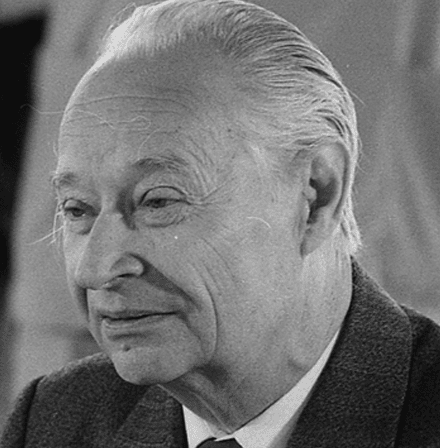
The Soviet reaction
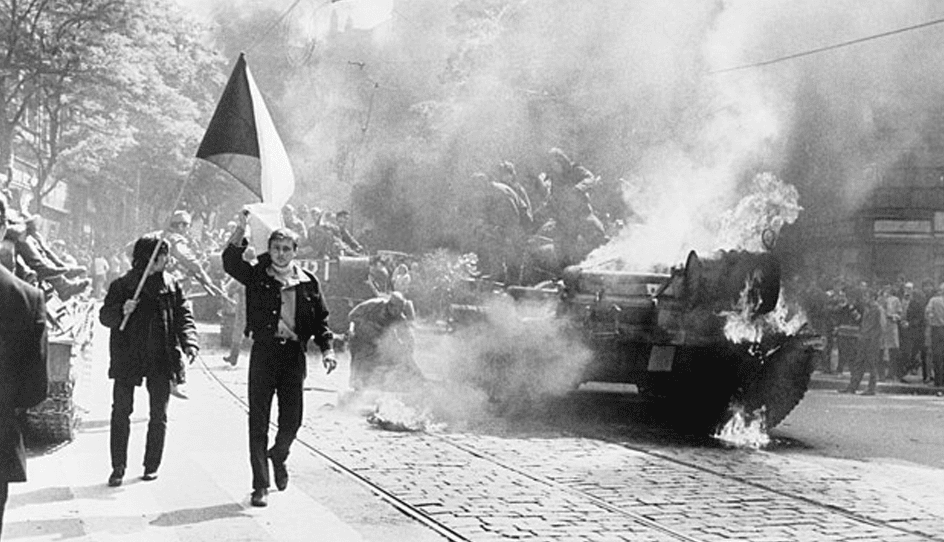
Dubček’s liberal policies did not take long to irritate Soviet leaders, who issued him several warnings. An agreement was reached in early August 1968 in which Dubček reaffirmed his loyalty to Soviet leaders and his allegiance to the Warsaw Pact. At that time, Dubček considered a military intervention in Czechoslovakia impossible. However, on the night of August 20 to 21, 1968, Operation Danube led to the invasion of Czechoslovakia by the armed forces of five Warsaw Pact powers. This invasion was met with no military resistance. However, citizens engaged in large-scale demonstrations. To organize these, radio was a key asset as it continued to freely broadcast information about the invasion. This invasion also triggered a significant migration wave, with the immediate emigration of 70,000 Czechs.
Indignation
Abroad, the West was unanimously outraged, but reactions took various forms. The United States protested against the military nature of the operation. Some countries within the Russian sphere of influence half-heartedly denounced the operation. Other countries, trying to ease relations with the USSR, remained moderate in their criticism (France, for example). Above all, the symbolic significance of this intervention and its consequences in the Czechoslovak context were not sufficiently highlighted. Even within the Soviet bloc, some states such as Romania, although within the Russian sphere of influence, condemned this intervention. In Czechoslovakia, the popular reaction was massive. At the same time, Dubček, who had great influence, called on the population not to take up arms. The French archaeologist Jean-Paul Demoule described the mobilization as follows: "I walked through villages, there were tanks everywhere. (…) and the whole population was talking, not insulting, but really scolding, if I may say, the tank drivers. It was not an atmosphere of terror. These were obviously extremely heated debates. I once heard Russian soldiers say: ‘But we came to liberate you, we were told there were 40,000 American and West German soldiers disguised as tourists.’ They were very surprised to be so poorly received, since they thought they were liberating us.__" Faced with the large-scale popular movement and fearing an escalation of tensions, the USSR was forced to wait until April 1969 to dismiss Alexander Dubček. Gustav Husak was then installed in his position and implemented a policy that restored ties with Soviet leaders.
The repression with a human face
The so-called "normalization " policy led to a purge within the KSČ, with the expulsion of 320,000 members. The media were strictly censored. Many dissidents, intellectuals, students, and other political opponents were arrested, imprisoned, or forced into exile. This purge, although marked by acts of violent repression (such as the use of a tank against a crowd), was less bloody than the one carried out under the Gottwald era. In an article for Le Monde in 1979, journalist Bernard Féron cynically referred to it as “ repression with a human face ”, characterized by its effectiveness in suppressing democratic aspirations. The Slovak philosopher Milan Šimečka elaborated that “ civilized violence has annihilated all boldness of thought, all desire for criticism, and all determination to defend a recognized truth.” Thus, until 1976, there was no significant challenge to normalization or to the regime. The first major breakthrough came in 1976 with the signing of Charter 77 by numerous members of the Czechoslovak intelligentsia, initially gathering 242 signatories. Even though this charter remained mostly confined to intellectual circles, unlike the Polish Solidarnosc, it served as a crucial tool of symbolic strength for the opposition. Receiving significant international support, Charter 77 quickly transformed into a semi-official opposition organ against the KSČ, through which intellectuals, via information bulletins, conveyed their opinions on the regime. 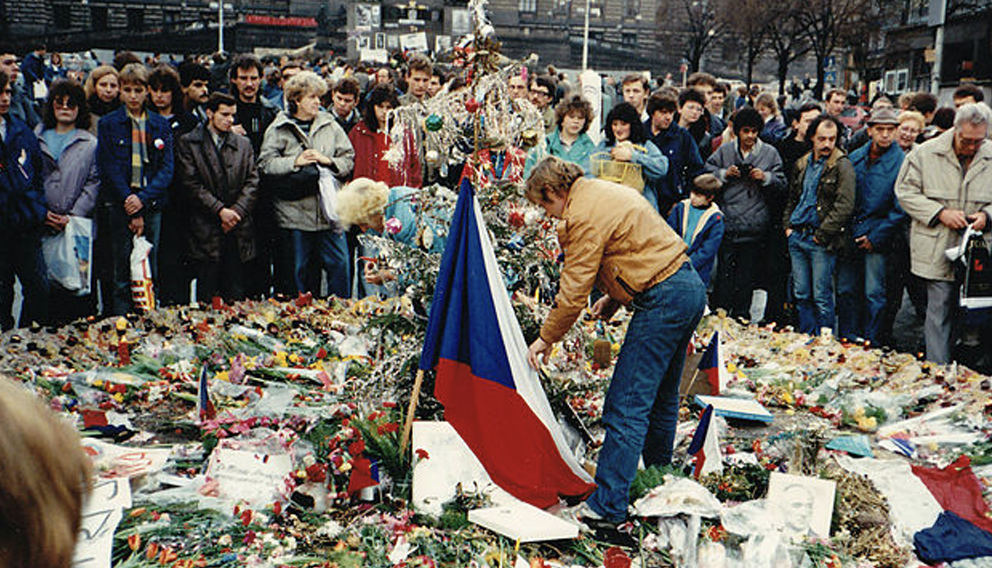
III. DYNAMICS AND TRIGGERS OF THE VELVET REVOLUTION
The domino effect of peaceful revolutions
A weakened USSR
The Velvet Revolution, which occurred in Czechoslovakia in 1989, cannot be understood without considering the context of peaceful revolutions that preceded and influenced it. Even though several authoritarian regimes in Southern Europe had democratized, this had not yet impacted the regimes under Soviet influence. The real trigger seems to lie in the weakening and military withdrawal of the USSR (February 1989) from Afghanistan. This sent a strong message to countries within the Soviet sphere. A key marker, the year 1989 was characterized by a series of major political upheavals across Eastern Europe, particularly in Poland, Hungary, and East Germany, where popular movements successfully overthrew communist regimes. These events created a domino effect, strengthening the hope and determination of the Czechoslovak people to follow the same path toward democracy. In Poland, the Solidarnosc movement, led by Lech Wałęsa, played a crucial role in achieving political reforms through peaceful negotiations with the government. This victory demonstrated that change could be achieved not through violence, but through the ballot box. In Hungary, reformist communists gave in to pressure from the opposition and sent a symbolic message by opening the border with Austria, allowing hundreds of East German citizens to flee westward. This event, also known as the “ Pan-European Picnic ,” significantly weakened the East German regime.
The fall of the wall and the Velvet Revolution
East Germany witnessed massive protests, notably the Leipzig demonstrations, which culminated in the fall of the Berlin Wall in November 1989. This symbolic event marked a decisive turning point, proving that the Iron Curtain could be lifted. In Czechoslovakia, it was especially this event that sparked popular movements. On November 17, 1989, the violent repression of a student demonstration in Prague triggered a series of increasingly large protests, culminating in the resignation of the government on November 28, 1989. This sequence of events would later be called the “ Velvet Revolution.”
Civil society: the emergence of a new protagonism
Preparatory work by civil society
The popular movements of 1989, and mainly those of November, led to the overthrow of the ruling power in Czechoslovakia. These protests were driven by charismatic figures such as playwright Václav Havel, pioneer of Charter 77, who ultimately led the revolution to success. During the 1980s, civil society gradually organized and gained influence, preparing the ground for democratic change. The erosion of trust in the communist regime, combined with the emergence of new leaders and the activation of dissident networks, enabled civil society to become a key actor in the transition to democracy. The 1980s saw the proliferation of underground activities and solidarity networks that strengthened civil society’s cohesion. Discussion groups, “ samizdat ” (self-published) publications, and cultural events created a space for resistance and exchange of ideas, beyond the strict control of the state. These initiatives helped keep the flame of dissent alive and prepared the ground for broader mobilization.
A velvet transition
During the Velvet Revolution, civil society quickly organized itself, forming coalitions and alliances to coordinate protest actions. The Civic Forum, founded by Václav Havel and other dissident leaders, played a central role in channeling the population’s aspirations and negotiating with the government. Thus, on December 10, Gustav Husak inaugurated the new coalition that would ensure the interim. This coalition illustrated an unprecedented diversity in the political landscape, bringing together figures from various backgrounds. Although this Velvet Revolution was supported by the people, it was facilitated by the engagement of the intelligentsia, which was well-established at the time of the transition. This helped ensure a peaceful interim without the need for a purge.
The power of pacifism: non-violence as a weapon
The originality of the Velvet Revolution lies in its pacifism. Even though peaceful demonstrations were long repressed, this did not discourage activists, who continued their non-violent protests. Pacifism also helped develop a key factor: strengthening the moral legitimacy of the movement. At the same time, pacifism contributed to moderating the repressions of the communist regime, which did not fear a sudden overthrow. Non-violence not only attracted massive public support, but also gained the sympathy of international opinion. Media around the world covered the peaceful demonstrations in Czechoslovakia, creating international pressure on the communist regime to implement reforms. Moreover, non-violence prevented the government from justifying harsh military repression, as any violent action against peaceful demonstrators would have been widely condemned. This was for example the case on November 17, 1989, in Prague, during a student demonstration, when the police violently repressed the participants, injuring many protesters. This violence had a boomerang effect, provoking a wave of indignation and solidarity across the country. The leaders of the movement, notably Václav Havel and the Civic Forum, called for peaceful actions and discipline among demonstrators. This non-violent approach especially fostered a more harmonious political transition.
Repression fuels the revolution
The key to the democratic impulse of the Velvet Revolution thus lies in the context of peaceful revolutions, but also in a resurgence of repression in Czechoslovakia. The "human-faced repression " had so far prevented any real popular indignation that could lead to a revolution. However, this revolution fits into a broader theoretical framework concerning repression. Repression favors and strengthens revolutionary and protest sentiments, a thesis supported by many authors. By exposing the brutality of an authoritarian regime, repression generates increased support, both inside and outside the country. The example of Charter 77 illustrates this dynamic, with its international support having contributed to its survival. Mass surveillance, censorship, and the arrest of intellectuals actually reinforced the motivation of some and confirmed the convictions of others. A notable example is that of Václav Havel, who, after several stays in prison, became the leader of the revolution under the banner of the "Civic Forum. " The figure and the necessity of a leader behind whom the "powerless " could rally is, moreover, the subject of his manifesto The Power of the Powerless. It is especially interesting to draw a parallel between the action of Charter 77 at the time and opposition media today. In both cases, they are promoters of original opinions and allow both the awakening of thought and the emancipation of reasoning.
Operational lessons
First
It is essential to understand the impact of external factors on Czechoslovakia. Their influence is significant, suggesting that sometimes it is simply a matter of timing. On one hand, the international context served as a barometer of opportunity for the Czech people during the Velvet Revolution, which took place within a broader context of uprisings against communist republics. Who knows if this revolution would have happened without the galvanizing effect of the fall of the Berlin Wall on the Czechoslovak people? On the other hand, the military intervention of the Warsaw Pact allowed the repression of the Prague Spring without Czechoslovak military resistance. This last point is crucial as it raises the following questions: What would have happened if the repression of the Prague Spring had been met with military resistance from Czechoslovakia? What if Dubček had not wished to avoid bloodshed?
Second
The role of the people is a factor that must be considered. The smooth upheaval of the Prague Spring was not initiated by the people but directly by the KSČ. However, during the repression that followed, the people's role in resisting was crucial, prompting Soviet leaders to wait eight months to replace Dubček for fear of a massive uprising. In 1989, during the Velvet Revolution, the democratic drive came directly from the people and succeeded. This suggests the determining power of popular initiative.
Third
In a category apart from both the people and power lies the intelligentsia of the communist republics. In Czechoslovakia, it played a central role in the Velvet Revolution. It was not very involved during the Prague Spring, which may suggest its decisive importance in the success of the second revolution. Sustainably organized through Charter 77, the Czech intelligentsia developed and prepared for the regime's downfall over time, ensuring that when the moment came, the democratic transition would be smooth.
Fourth
Charter 77 served as an unofficial media outlet disseminating opinions not aligned with the ruling power. This role it held in intellectual circles highlights the power of opposition media. The example of the free radio during the Prague Spring illustrates this well. Today, new media platforms are crucial tools for the dissemination of information, just as radio played a role during the Prague Spring or Charter 77 during the Velvet Revolution.
Finally
From an institutional point of view, the Prague Spring seemed to begin under better conditions, as it was initiated by internal party upheaval. This suggested little institutional instability, yet Soviet interference crushed this liberal drive. The Velvet Revolution, on the other hand, overthrew the ruling power. However, with the support of a well-informed intelligentsia and reformist communists, the democratic transition was peaceful, which has not always been the case in other countries. Subsequently, the two countries resulting from the dissolution of Czechoslovakia have maintained a relatively strong pluralism. This was stronger than in Hungary and Poland, which may explain the “ _illiberal_ ” drift of the latter two.
SOURCES
- Arte (2021). Le Procès. Prague 1952 - Ruth Zylberman.
- Ash, T. G. (2019). The Magic Lantern: The Revolution of ‘89 Witnessed in Warsaw Budapest Berlin and Prague. London: Atlantic Books. [First published 1990 as We The People. The Revolution of ‘89].
- Havel, V. (1985). The Power of the Powerless. In J. Keane (Ed.), The Power of the Powerless: Citizens Against the State in Central-Eastern Europe (S. Lukes, Intro.), (P. Hutchinson).
Support Fondemos
Every donation helps us continue producing independent analysis.