A case study by Fondemos
INTRODUCTION
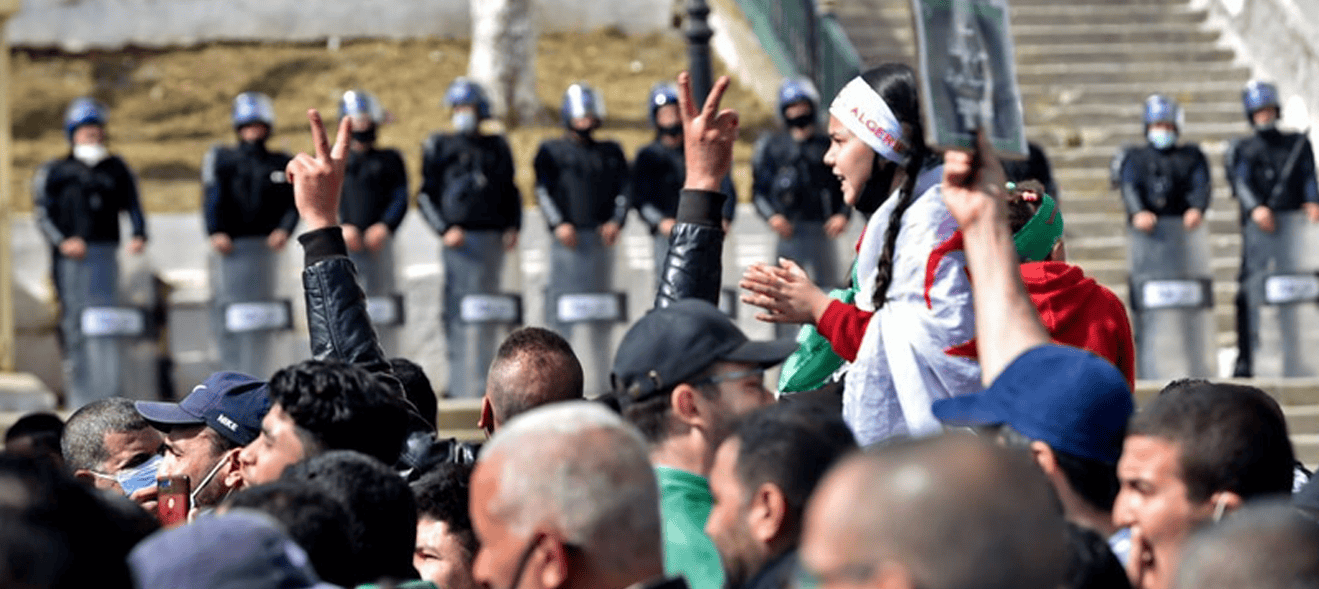
The Hirak is a peaceful popular protest movement that began in February 2019 in Algeria, in response to Abdelaziz Bouteflika’s announcement of his candidacy for a fifth presidential term. This movement quickly evolved and expanded to denounce corruption, authoritarianism, and attacks on political freedoms. In 2024, the Hirak’s demands remain largely unmet, while repression against activists, journalists, and demonstrators intensifies, with more than 220 prisoners of conscience still behind bars for their association with the Hirak. They have become a symbol for the opposition, and large protests are held in their favor. 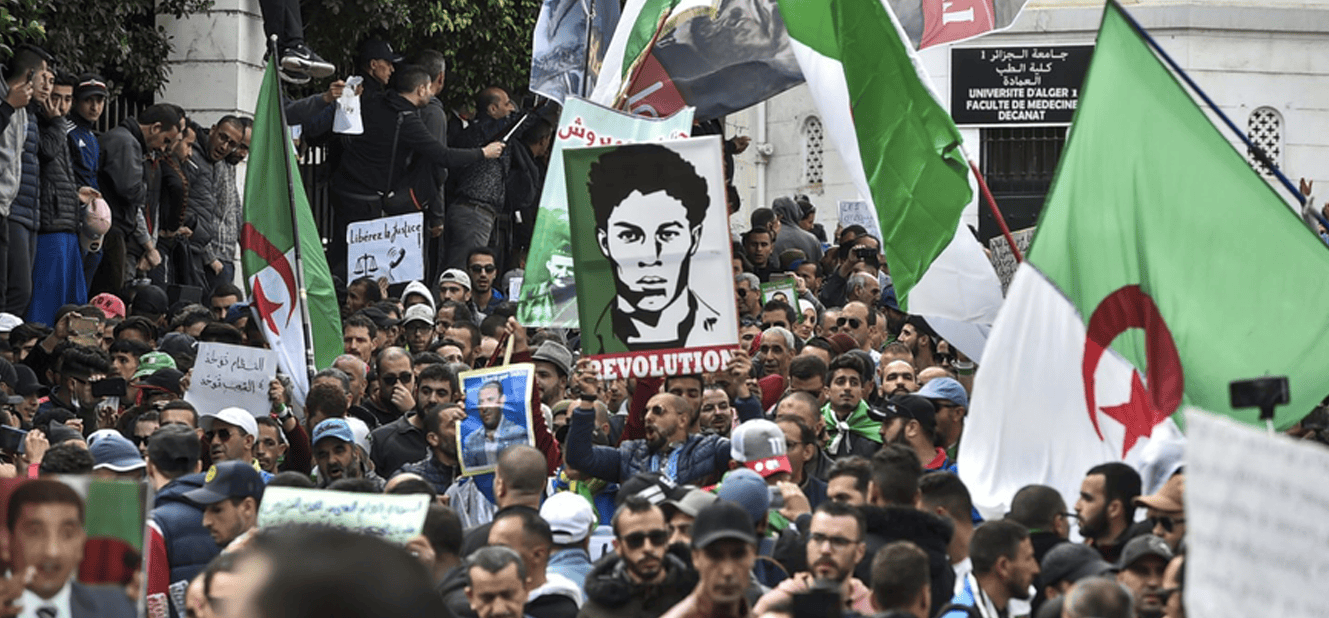
MOBILIZATION DURING RAMADAN: A POWERFUL SYMBOL
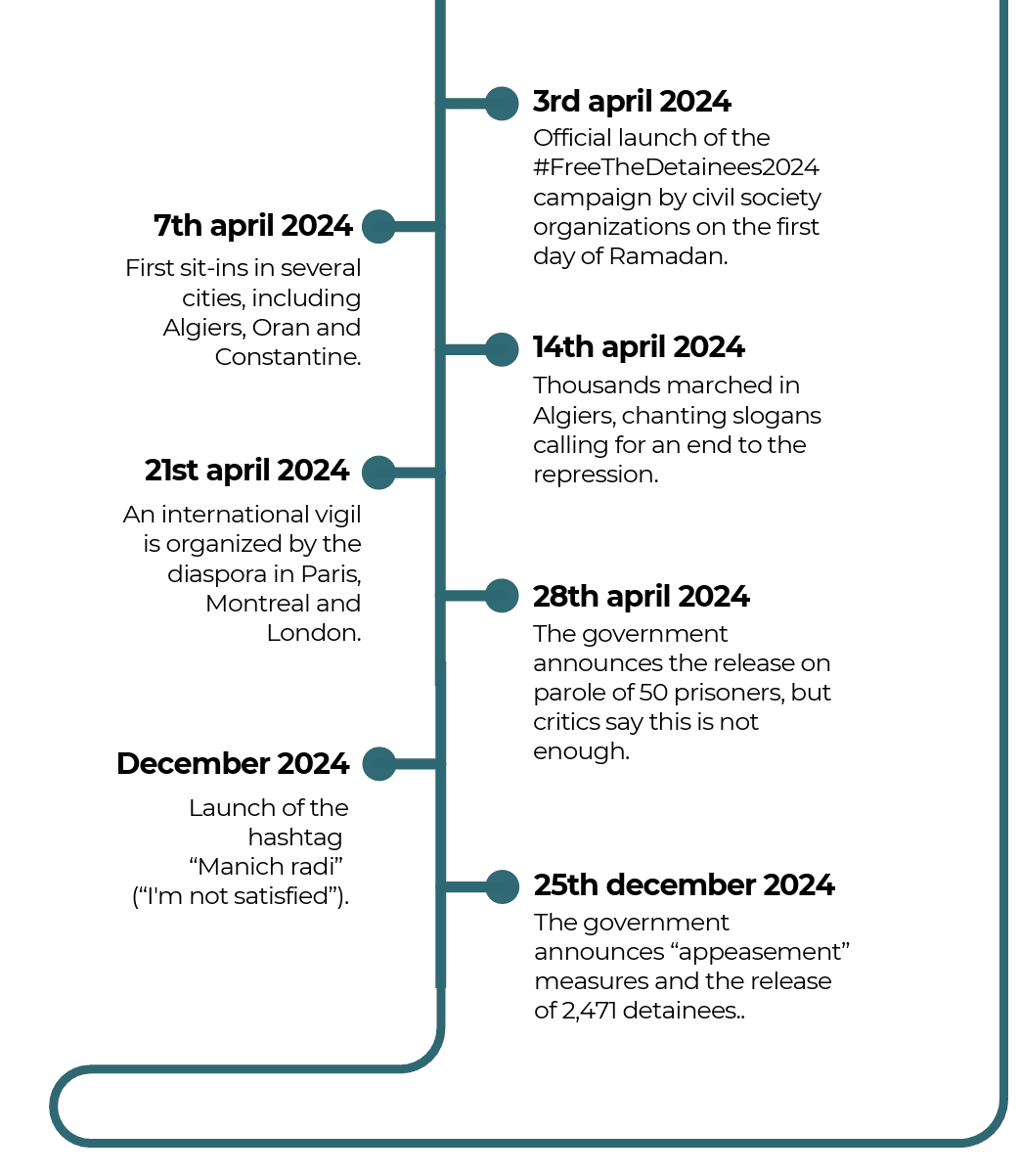
In April 2024, during the month of Ramadan, the campaign for the release of prisoners of conscience gained unprecedented momentum. This time of solidarity and spiritual reflection reinforced the symbolism of the demonstrations organized throughout the month. Algerian and international human rights organizations launched the movement on April 3 with a call to Algerian authorities to “ release those unjustly imprisoned ” and “ open the civic space”. This call was issued in a statement signed by around twenty international and national organizations, including the International Federation for Human Rights (FIDH), the World Organization Against Torture (OMCT), Euromed, and Front Line Defenders, as well as Ibtykar and the National Committee for the Liberation of Detainees (CNLD). The statement recalls that the authorities have abusively prosecuted “ citizens, including activists, journalists, and human rights defenders, for exercising their fundamental rights, including baseless accusations of affiliation with terrorist entities. They have also escalated arbitrary legal actions against civil society organizations, opposition political parties, unions, and independent media.” The same statement insists that “ as of today, more than 200 people remain imprisoned for expressing their opinion and exercising their fundamental rights. Among them are Hirak figures such as Brahim Laâlami and Mohamed Tadjadit, who have accumulated nearly 60 months of incarceration since 2019, Mohad Gasmi, detained since June 2020, and journalist Ihsane El Kadi, sentenced to seven years in prison, five of which are firm. Beyond these cases, anonymous or little-known individuals are arbitrarily imprisoned. Many have been held in pre-trial detention for months. These detainees add to older cases, the most emblematic of which is Mohamed Baba Nejar.” 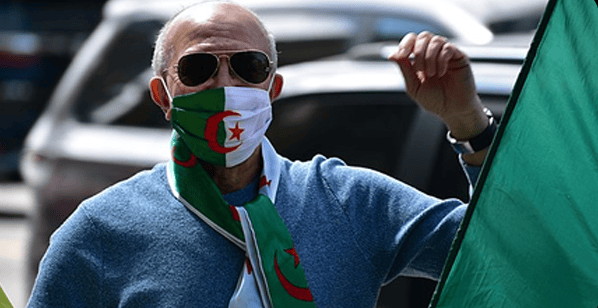
THE ROLE OF SOCIAL MEDIA
Social media plays a central role in the campaign. On Twitter, Facebook, and Instagram, hashtags like #FreeTheDetainees2024 and #HirakContinues2024 were widely shared in April. Digital activists organized awareness campaigns, shared profiles of detainees, and posted video appeals from their families. The Ibtykar movement, for example, published twelve profiles on Facebook and through a Linktree platform, linking to specific information about prominent detainees. The Algerian diaspora, particularly active in France and Canada, amplified this content, calling on foreign governments to pressure Algerian authorities. Social media thus became a tool to fight censorship and maintain media attention on the situation in Algeria. 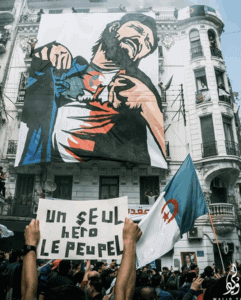
TIMELINE OF EVENTS IN 2024
SYMBOLIC CONCESSIONS
The releases announced by the authorities in April 2024 are widely seen as purely symbolic gestures: although several prominent Hirak figures were released, no guarantees were given regarding the end of arbitrary arrests. Many activists report being under surveillance or summoned for new trials, making the progress unsustainable. The government’s strategy thus seemed aimed at appeasing criticism without addressing the Hirak’s core demands. Algerian President Abdelmadjid Tebboune, however, announced in a statement on December 25 “ presidential pardon measures for 2,471 detainees ” and “ appeasement measures ” for “ eight detainees [in pre-trial detention] awaiting investigation and trial.” The statement, which does not name anyone or clarify the terms of these measures, also announces sentence reductions and “ full pardons ” for fourteen individuals “ convicted of public order offenses.” With these gestures, “ Mr. Tebboune mainly wants to ease pressure after the international backlash he received in the Sansal case and the wave of discontent expressed by Algerians on social media ,” said activist Saïd Salhi, who is in exile in Belgium. “ We’ve noticed that presidential ‘pardons’ do not mean a decrease in repression ,” another activist noted. “ Each release phase is followed by an even more intense wave of repression, resulting in new arrests and pre-trial detentions. ”
CONCLUSION
The 2024 campaign for the release of Hirak detainees illustrates the persistence of a citizen-led movement in the face of continued repression. While the announced releases are yet to materialize, they demonstrate the impact of massive mobilizations on social media. The December 2024 announcements suggest that increased international mobilization forced the Algerian government to respond. The international pressure, focused on symbolic cases, proved decisive in prompting this response, and combined with the snowball effect of protest hashtags, led to more significant release promises. As of early 2025, however, these promises remain unfulfilled, and for now seem more like announcements than a genuine response to the 2024 campaign.
SOURCES
- Amnesty International, Algeria: Detentions escalate amidst Hirak protests, April 2024.
- Human Rights Watch, “Algeria: Arbitrary arrests and symbolic releases,” May 2024.
- Le Matin d’Alger, “Repression in Algeria: surveillance and total control of freedoms,” published 4/11/2024
- Le Matin d’Algérie, #Manish Radhi’ (I don’t agree) panics the regime, published 25/12/2024
- Le Figaro, “Algeria: a campaign to highlight the fate of political prisoners,” Adam Arroudj, published 23/03/2024
- Middle East Eye, Algeria: NGOs call for the release of “prisoners of conscience,” published 7/04/2024
- Le Monde, “In Algeria, President Tebboune announces ‘appeasement’ measures and the release of 2,471 detainees,” published 26/12/2024
Support Fondemos
Every donation helps us continue producing independent analysis.