

A case study by Fondemos
KEY POINTS
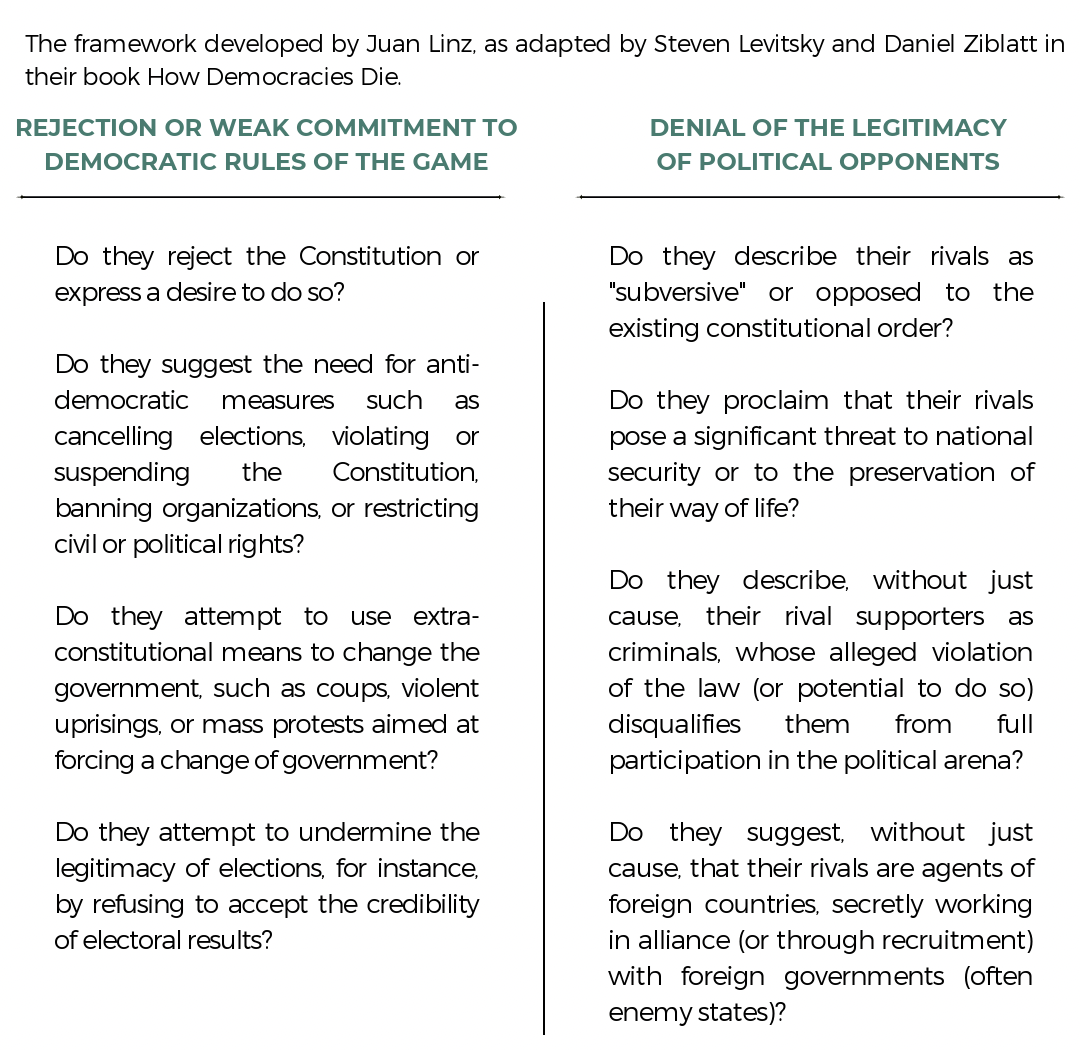
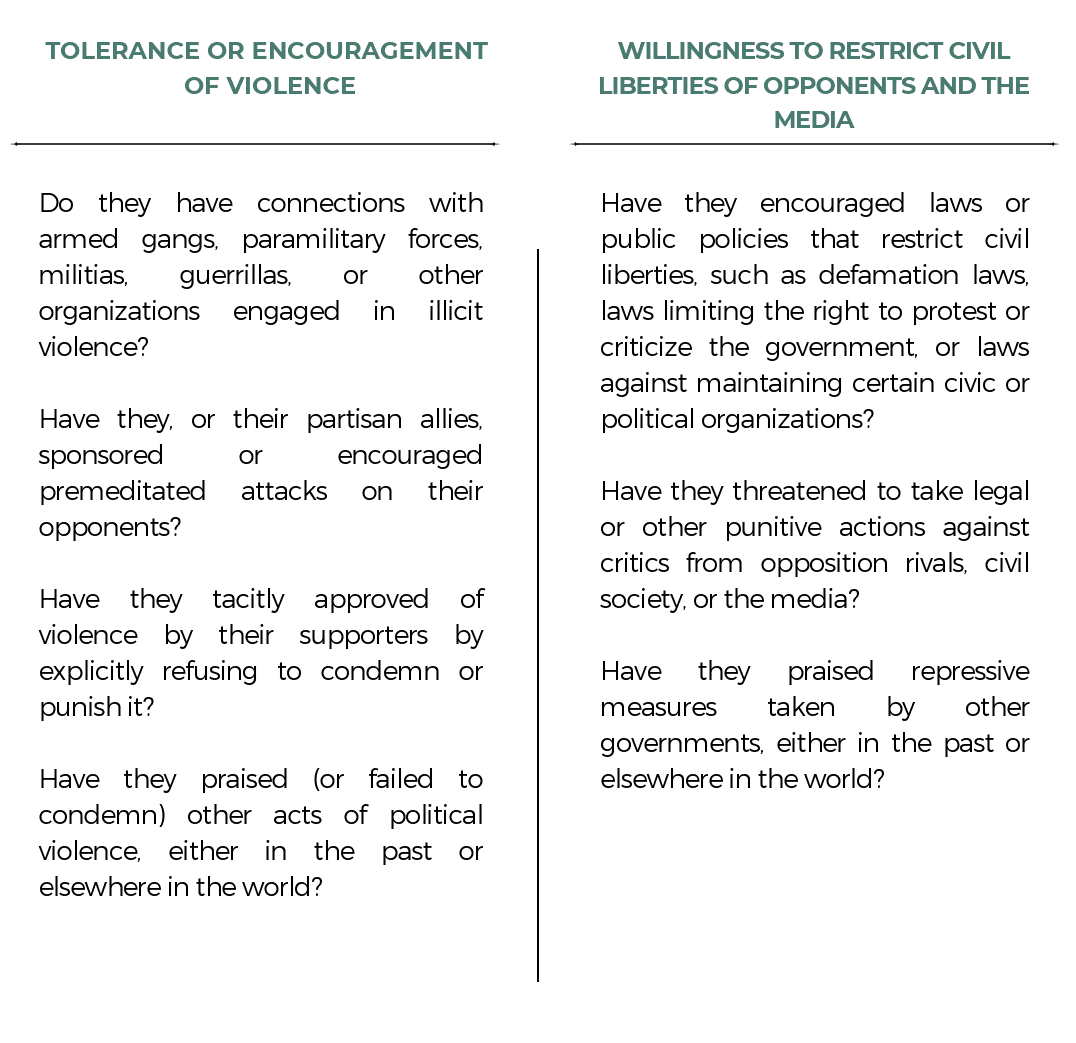
The Republic of Benin has been considered since the 1990s as a pioneer of democratization in Africa. It adopted a democratic Constitution in December 1990 thanks to a National Conference, the first of its kind on the continent. Democracy appeared to be a stable horizon when Benin's last dictator, Mathieu Kérékou, accepted the rules of the democratic game, returned to power through the ballot in 1996, and preserved the reforms established by his predecessor Nicéphore Soglo. He was reelected in 2001 before stepping down in 2006, as the Constitution prohibited obtaining a third consecutive term. During the 2016 and 2019 elections, irregularities during the votes indicated a weakening respect for electoral rules. Democracy in Benin has particularly weakened in recent years. Authoritarian tendencies began under the presidency of Thomas Boni Yayi and worsened during Patrice Talon's term. The Republic of Benin is a presidential regime, which inherently carries risks of power centralization: the President of the Republic is the keystone of the institutional system. This case study is partly based on the analytical grid of four behavioral indicators of authoritarian drift, developed by Juan Linz __ and later adopted by Ziblatt and Levitsky __.
INTRODUCTION: FROM “ _THE SICK CHILD OF AFRICA_ ” TO A DEMOCRATIC MODEL ON THE CONTINENT
I. THE RETURN TO POWER OF AUTHORITARIAN LEADERS
The gradual shift away from respect for democratic rules
Controversial reforms
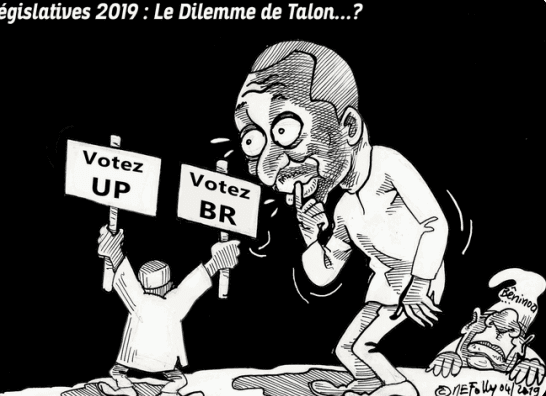
Succeeding Mathieu Kérékou as head of the country in 2006, Thomas Boni Yayi, while not formally rejecting the Constitution, still sought to circumvent certain obligations. In 2011, he attempted to change the Constitution: switching to a new Republic would have allowed him to seek a third consecutive term, in contradiction with the original logic of the constitutional text. However, the Constitutional Court blocked the reform project. Patrice Talon won the 2016 elections and in turn undertook a constitutional revision. This reform initiative proved divisive. Opponents raised several major arguments: they pointed to more urgent socio-economic issues needing attention and denounced the lack of participatory or democratic procedures __. After weeks of protests, the president failed to gather the three-fourths parliamentary majority required for the reform's adoption, which therefore failed. Beyond constitutional reform attempts weakening pluralism, each of the authoritarian presidents adopted an ambiguous stance toward the electoral process and citizens' political rights. Thomas Boni Yayi initiated a reform of the Permanent Computerized Electoral List (LEPI), which resulted in the use of a new electoral register during the 2011 legislative elections. The reform was introduced under the guise of reducing electoral fraud and cutting election costs to limit the risk of disputes. However, the register remained highly contested by the opposition __ , which flagged several irregularities: foreign nationals remained on the list, and some departments experienced suspicious demographic increases, while others saw notable population drops without justification. The new electoral register thus seemed to favor the incumbent regime, and in 2011, the presidential election results declaring Yayi the winner were challenged, even though the electoral register reform was supposed to strengthen the democratic process. In fact, an alert had already been issued two weeks before the first round when the opposition denounced 1.3 million people missing from the lists __ , followed by concerns about delays from the commission in charge of compiling the list, which ultimately pushed the first round to March 6, 2011. A few years later, Patrice Talon had a new electoral code adopted __ , introducing a minimum threshold of 10% of the vote to obtain seats in the Assembly, along with strict financial conditions, which prevented many opposition parties from participating in the April 2019 legislative elections. Voters were thus left with only two choices: both pro-government parties. More recently, in 2024, the National Assembly passed an even more restrictive reform of the electoral code, increasing the sponsorship threshold to 15% __ to participate in the presidential election. Meanwhile, the vote threshold allowing a political party to sit in Parliament was doubled to 20% of the votes cast __.
Infringement on various civil liberties
Both presidents successively adopted reforms to restrict the right to strike. Thomas Boni Yayi began by limiting this right for the military and paramilitary forces in 2013, followed by Patrice Talon in 2018, who limited strikes to ten days per year for most professions, and completely abolished it for healthcare professionals. Patrice Talon resumed his predecessor's initiative by restricting the political rights of opposition movements. Both heads of state have acted quickly to curtail civil liberties and have adopted measures to limit press freedom in particular. President Boni Yayi implemented cooperation contracts targeting the struggling media sector. He proposed subsidies for newspapers that allowed their content to be vetted by intelligence services. While press control remained relatively limited under Boni Yayi, it became more severe under Patrice Talon. In 2017, Talon implemented a digital law __ that criminalized the dissemination of “ fake news.” He went further: the new penal code adopted in 2018 penalizes offenses against national symbols, republican values, communities, and religions, further limiting freedom of expression. These measures leave the legal definitions of these offenses deliberately vague, granting judges wide interpretive discretion. Additional restrictions included the criminalization of unarmed gatherings __ that “disturb public tranquility” and any incitement to such gatherings. Finally, in 2019, on legislative election day, the government shut down internet access nationwide, a breach of the African Charter on Human and Peoples’ Rights __. Patrice Talon’s presidency thus marked a clear democratic retreat, in the form of restrictive reforms curbing civil and political liberties at every level of Beninese society.
From words to actions: intimidation of opponents under President Yayi
Attempts to intimidate political opponents
These acts of intimidation began after Thomas Boni Yayi’s reelection for a second term. They sometimes took the form of direct threats, such as those made in an interview dated August 1, 2012, in which the sitting president warned of potential “reprisals” against opposition members who were beginning to organize. He stated: “ By tarnishing the country’s name and the President’s name, they don’t know where or how the response will come.” Intimidation also took the form of various arbitrary arrests of individuals who had criticized the regime. Potential counter-powers such as trade unions were also targeted: in particular, Pascal Todjinou, Secretary General of the General Confederation of Workers of Benin (CGTB), who was arrested for not having insured his vehicle __. Those suspected of being close to the opposition suffered other forms of punishment: the then Prime Minister, Pascal Irénée Koupaki, accused of being a Talon supporter, was eventually dismissed __.
The repressive turn intensifies under Talon
The regime’s anti-democratic shift accelerated under Patrice Talon’s mandate. Following protests related to the April 2019 elections, several opponents were arrested and detained briefly before being released. Julien Agossou Bodé and Yibatou Sani Glélé, members of the Democratic Renewal Party (PRD), were arrested for participating in a peaceful protest at the Ouado market and accused of having “ incited an unauthorized unarmed gathering.” Boni Yayi, affiliated with the FCBE party, was placed under de facto house arrest for 52 days after the April 2019 elections, then fled the country after being released in June. The press was also targeted: Amnesty International reported that 17 journalists were placed under surveillance due to the digital law. For example, Casimir Kpedjo, who reported that Benin’s debt figures were incompatible with the national finance law, was detained for five days in 2019. This list of intimidation tactics and repressive measures against those who defy censorship also includes the arbitrary shutdown of various media outlets by the High Audiovisual and Communication Authority, led by an ally of the president. Radio Soleil, Sikka TV, Eden TV, and E-télé, all linked to the opposition, had their broadcasts suspended on November 29 and 30, 2016 __. 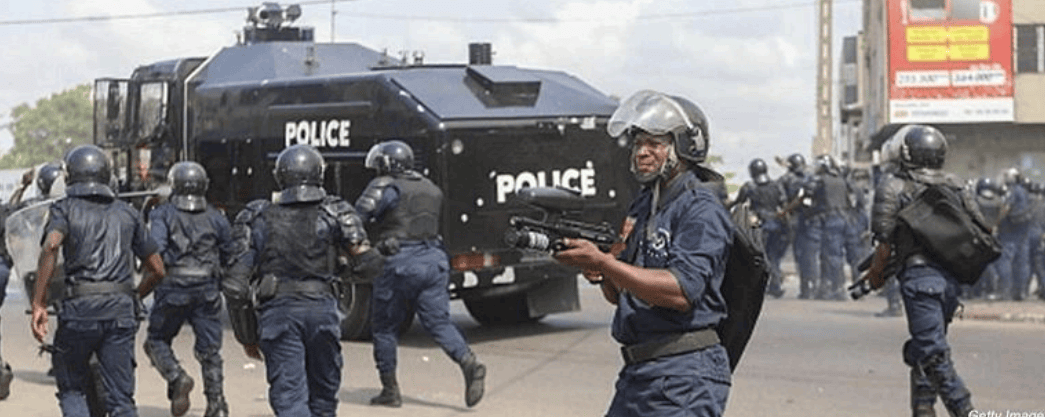
II. A JUSTICE SUBORDINATED TO THE MARINA PALACE
The impartiality of the judiciary has been called into question following the mandates of the last two presidents. Today, the judiciary appears to be largely dependent on the executive branch.
The return of the “ offense against the head of state ” charge
The judiciary has been heavily instrumentalized in favor of those in power. The revival of the “ offense against the head of state ” charge (unused since the dictatorship established by Mathieu Kérékou) is a clear marker of judicial bias. This particularly vague accusation gives judges enormous discretionary power. Since the end of 2012, anyone who lost Boni Yayi’s trust was subject to arbitrary persecution, like lawyer Lionel Agbo, who was arrested after accusing the head of state of corruption and highlighting the president’s authoritarian tendencies. Criticism of the regime is no longer tolerated and is systematically punished through threats and intimidation.
The creation of the Court for the Repression of Economic Offenses and Terrorism
During Patrice Talon’s mandate, judicial intimidation continued, but the instrumentalization of justice reached its peak with the 2018 creation of the Court for the Repression of Economic Offenses and Terrorism (CRIET). This court was established under the guise of fighting corruption, one of Talon’s major campaign promises. In practice, however, the nature of the trials held by the court is highly political and confirms the regime’s authoritarian drift. Benin was condemned by the African Court on Human and Peoples’ Rights on March 29, 2019, over the judgment of Sébastien Ajavon (a prominent opponent of Talon), who was sentenced to 20 years in prison for alleged drug trafficking. His lawyers appealed to the Court, citing numerous procedural irregularities during the trial. The Court’s ruling identified no fewer than eleven human rights violations during the proceedings against Ajavon. These included the violation of “ the applicant’s right to be tried by a competent court ” and the principle of non bis in idem (a person cannot be punished twice for the same offense). The ruling also denounced the partiality and lack of independence of Benin’s CRIET __. More recently, in December 2021, opposition figure Reckya Madougou was sentenced to 20 years in prison. Her lawyers and numerous observers denounced the political nature of the sentence and the court’s partiality __.
Control of the supreme courts
This takeover of the judiciary by the executive was made possible through control of the country’s supreme courts, whose leadership positions were filled by presidential allies. The renewal of the Constitutional Court in June 2013 allowed President Boni Yayi to appoint three of his allies (Euloge Akpo, Simplice Dato, and Lamatou Nassirou), thus facilitating the adoption of a constitutional reform designed to strengthen his power __. The politicization of Benin’s judicial institutions worsened under President Patrice Talon, despite his campaign promise of judicial independence. He appointed his former personal lawyer, Joseph Djogbenou, as head of the Constitutional Court, a key post in the constitutional reform process __. 
III. BENINESE CIVIL SOCIETY VALUES DEMOCRACY BUT STRUGGLES TO PRESERVE IT
The impartiality of the judiciary has been called into question after the terms of the last two presidents. Today, there is a clear dependency of the judiciary on the executive.
Citizens committed to respecting democratic rules
The people of Benin remain attached to democracy, and dissenting voices continue to rise. In 2019, opposition parties directly called for a general boycott of the elections. Nevertheless, the government sought to suppress dissent by publishing a warning in the state-run newspaper La Nation two days before the vote, stating that any incitement to abstain from voting would be punished with imprisonment and fines __. The government also announced a nationwide internet blackout on election day, making it difficult to organize or hold demonstrations. Despite these obstacles, the boycott was successful. The Independent National Electoral Commission (CENA) initially reported a 23% turnout rate, later raised to 27% by the Constitutional Court, both well below the usual participation rate, which had never fallen below 60%.
Increasingly violent repression
Under Patrice Talon’s presidency, pre- and post-electoral demonstrations in April and May 2019 were marked by clashes between civilians and police or military forces, who used tear gas, batons, and live ammunition. Security forces grew increasingly repressive, with no condemnation from the executive. At least four civilians were killed by live bullets during the April 2019 election protests. Arrests were carried out without prior summons by plainclothes agents in unmarked vehicles, based only on suspected opposition ties or prior protest involvement. Political activists were forced into exile, accused of “ participation in an unauthorized unarmed gathering that could incite revolt” or “incitement to hatred and violence via social media. ” In January 2020, the use of live ammunition was again reported during protest meetings in the town of Savè. A new police unit (the Tactical Intervention Group) was then created, tasked with handling “ serious public order disturbances ” requiring specialized intervention __.
CONCLUSION AND PROSPECTS
The Linz framework, a tool for analyzing the nature of a political regime through the observation of key indicators, appears to aptly describe the backsliding of Benin’s democracy. This analytical grid, later developed further by Ziblatt and Levitsky, provides a critical perspective on the various authoritarian drifts observed in Benin in recent years. Beninese citizens are being prevented from expressing their demands and are restricted in their civil and political liberties, suffering various forms of state violence.
Operational lessons
IV. Operational conclusions for a return to a democratic regime
#### Strengthening democratic institutions
##### Independence of the Independent National Electoral Commission (CENA)
Establishing a permanent CENA would be a crucial first step toward ensuring transparent management of electoral processes. This commission should be independent of the executive and political parties, equipped with citizen and international monitoring mechanisms to ensure impartial election oversight. A review of the voter registration process, often criticized for its bias, is also necessary.
##### Judicial system reform
It is essential to guarantee the independence of the judiciary, particularly by eliminating executive influence over the Constitutional Court and CRIET. This could be achieved through the transparent appointment of judges by a mixed committee composed of representatives from civil society, international bodies, and respected Beninese legal experts. Judges must also discourage the misuse of laws to repress the opposition through impartial justice.
#### Support for civil society and promotion of citizen participation
##### Protection and strengthening of NGOs and independent media
It is vital to ensure the freedom of the press and non-governmental organizations (NGOs) so that they can monitor and report on democratic practices. This could include setting up dedicated funds to support independent media, financed by international donors, along with stronger legal protections for journalists and activists.
##### Civic education and citizen engagement
Increase citizens’ awareness of their political rights through civic education programs, including in rural areas. Schools and universities should incorporate courses on democracy, human rights, and peaceful political participation to strengthen democratic culture.
##### Encouragement of national dialogue
Create a permanent forum for national dialogue where political actors, civil society members, and citizens can discuss necessary reforms to strengthen democracy and foster consensus among parties, similar to the Tunisian National Dialogue Quartet initiative of 2013–2014, which was awarded the Nobel Peace Prize in 2015.
#### Legislative reforms for an inclusive and democratic electoral framework
##### Revision of the electoral code
Abolishing overly high electoral thresholds and financial barriers for political parties would broaden the representativeness of political groups. Reintroducing a more proportional system for allocating parliamentary seats would ensure better representation of the opposition and Benin’s political diversity.
##### Regulation of electoral endorsements
The endorsement system for presidential and legislative elections, which favors parties close to the executive, should be revised to include measures ensuring equitable access for all candidates.
#### Combating repression and political violence
##### Oversight of security forces
It is imperative to train and monitor security forces to prevent excessive use of force during demonstrations. A reform of the code of conduct for law enforcement, with independent oversight (national and international), would help prevent repression of civil movements.
#### Engagement of international actors
##### Diplomatic pressure and international cooperation
The international community, including regional organizations such as ECOWAS, should actively support democratic consolidation in Benin through observation missions and technical assistance.
##### Access to conditional funding
International donors must condition their support on concrete reforms promoting respect for democratic principles, such as electoral transparency and civil liberties.
ANNEXES
SOURCES
- BANÉGAS, Richard, 2014. Authoritarianism with the steps of a chameleon? The excesses of Benin’s passive democratic revolution. Afrique contemporaine , Vol. 249, No. 1, pp. 99‐118.
- BANÉGAS, Richard, [no date]. Benin. Encyclopædia Universalis [online].
- DEGBOE, Dario, 2016. The vicissitudes of protecting rights and freedoms by Benin’s Constitutional Court. Les Annales de droit , No. 10, pp. 119‐138, June 1, 2016.
- FREEDOM HOUSE, 2021. Freedom in the World 2021: Democracy under Siege. Freedom House.
- HUGUEUX, Vincent, 2013. The state affair that poisons Benin. L’Express [online], September 18, 2013.
- JEUNE AFRIQUE, October 1, 2018. Angola: Zenu, the fallen son of José Eduardo dos Santos.
- JEUNE AFRIQUE, March 6, 2024. In Benin, why the new electoral code is controversial. [Online]
- KOHNERT, Dirk and PREUSS, Hans-Joachim, 2019. Benin’s stealth democracide: How Africa’s model democracy is killing itself. [Online].
- LA TRIBUNE AFRIQUE, September 5, 2018. Benin: new electoral code adopted, presidential candidacy deposit increased more than tenfold! [Online]
- METODJO, A. K., 2013. The making of the president. Voting, legitimization, and political communication during the 2006 presidential election in Benin. PhD thesis in political science. Paris: University of Paris I.
- RFI, February 23, 2011. In Benin, the electoral roll for the March 6, 2011 presidential election still contested. [Online]
- REPORTERS WITHOUT BORDERS, December 2, 2016. Four broadcast media closed arbitrarily in Benin. [Online]
- RFI, April 5, 2017. Benin: constitutional reform rejected. [Online]
- THE ECONOMIST INTELLIGENCE UNIT, 2020. Benin Politics: Quick View - Benin in Democratic Deficit. EIU ViewsWire, February 2020.
Support Fondemos
Every donation helps us continue producing independent analysis.